1. Title of Practice:
Promoting Interdisciplinary Research- Towards Clinical Translation
2. Objectives of Practice:
- Harness the expertise and knowledge of different disciplines to identify innovative areas of research
- Apply the experience of professionals from multiple disciplines to provide practical perspectives on existing challenges.
- Use the available human resources to design and execute research in thrust areas
- Providing research outcomes that are scalable for application.
3. The Context:
Academic research has for long been focused on the preclinical or pre-application stage of scientific knowledge. The changing global health scenario mandates an urgent need for solutions that are innovative, affordable and address the large gap between increasing severity and rising variety of disease conditions and available therapeutic or diagnostic alternatives. The significant cognitive resource of teaching hospitals and academic institutions has been largely uninvolved with ongoing research in the healthcare field. The call of the day both globally and by the leading scientific organizations of the country like ICMR, DBT, DST is for increased collaboration between basic scientists, clinical scientists, and industry to meet the goal of Health for All.
The D Y Patil Education Society Deemed University recognizes the responsibility to contribute to the global and national goals in the area of communicable and non-communicable diseases. To this end, the RICH Cell (Research in Interdisciplinary Research) had been established in 2015, which over the years has evolved and metamorphosed to the Central Research Laboratory (CRL).
The collaboration of clinical and research departments for furtherance of research was embedded in the purpose of the CRL to provide a platform for discussion, collaborative work and innovative research through significant contributions to the field of biomedical research, promotion of student and teacher research, high-quality research publications.
In recent years, the deliberate and focused promotion of interdisciplinary projects has seen increasing collaborations, joint research projects, and high impact factor publications. The emphasis on interdisciplinary research has extended the outcomes to interdisciplinary collaborations both within and outside the university.
The Practice
- Training – Medical PG Degree Research Workshop
- Institutional Research Committee - members
- Enhancement of Research Infrastructure (equipment, space, staff)
- Identification of areas of clinical concern or need
- Dissertations (MD/ MS)
- Thesis (PhD)
- University Funded Joint Projects
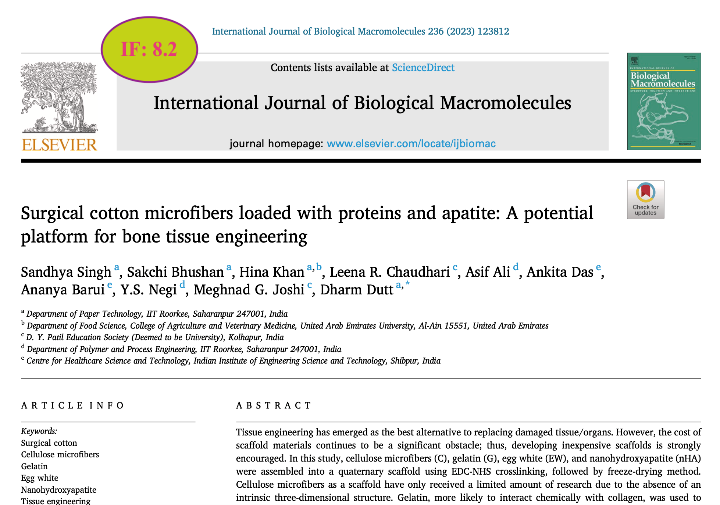
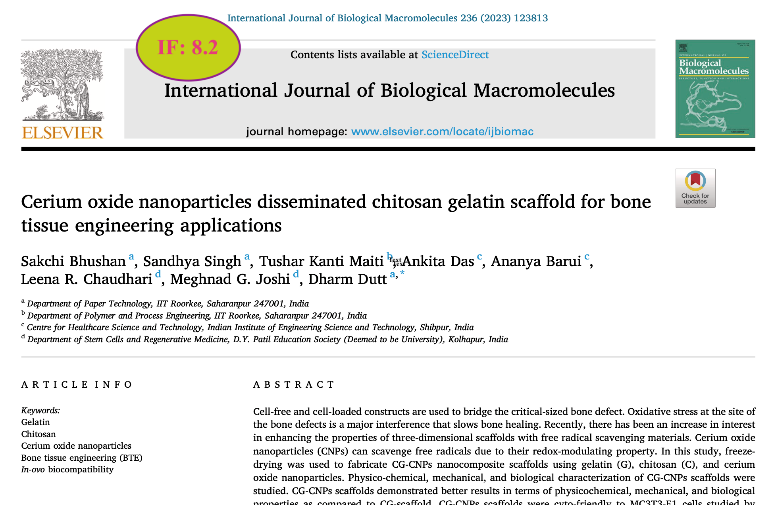
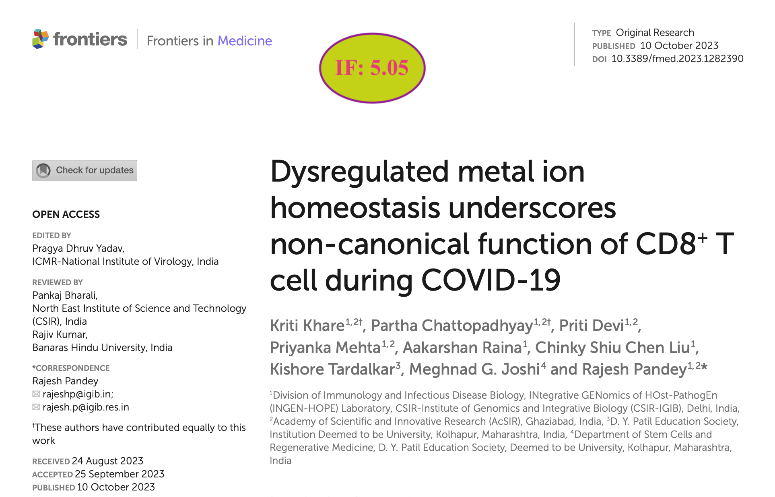
- Joint Publications
- Joint Funding Grant Applications
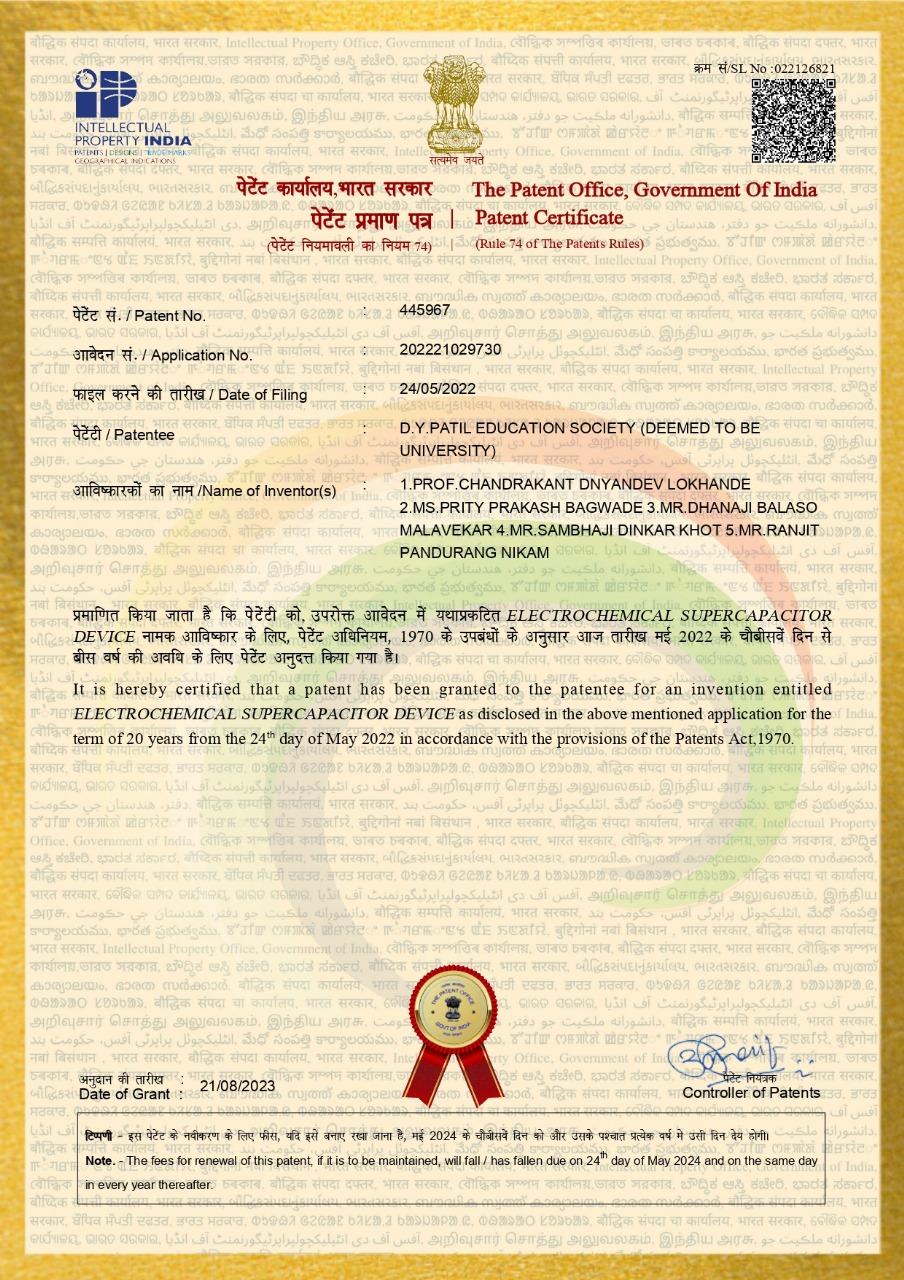
- Joint Patents
4. Evidence of Success
1. Joint Dissertations
| Sr. No. | MD/MS Student | Guide/Co-Guide | Title | Outcomes |
| 1. | Chavi bhomia | OBG & SCRM | Identification of HPV DNA Strains in Patients of Cervical Lesions | Genotyping of HPV DNA Strains for HPV 16, 18, and 45 in patients of cervical lesions and their correlation with their histopathology reports. It was found that Patients in Kolhapur, Sangli, Miraj region mostly infected with HPV DNA strain 16 followed by HPV 45 strain. |
| 2. | Chetna G.D. | OBG & SCRM | Colposcopic study of lower genital tract in retropositive patient | It was observational study in which colposcopic changes in lower genital tract in retropositive patient was observed. A significant association was found between colposcopic and cytological outcomes. Significant high risk for HPV 45 strain was also found |
| 3. | Chinmay Daklia | Medicine & SCRM | IL 18, eGFR and arterial stiffness in CKD | This study will identify the critical correlation between IL-18, eGFR and arterial stiffness in CKD patients. This correlation will further allow the better understanding of IL 18 as aprognostic biomarker in patients of CKD. |
| 4. | Shubham Theng | Medicine & SCRM | IL 8, eGFR and arterial stiffness in CKD | This study will identify the critical correlation between IL-8, eGFR and arterial stiffness in CKD patients. This correlation will further allow the better understanding of IL 8 as aprognostic biomarker in patients of CKD. |
| 5. | Manchikalapudi Sujeeta | G. Surgery & SCRM | Use of 3D printed skin as a skin graft in chronic non-healing ulcers. | Comparison and analysis of duration of wound healing after the use of skin grafts in patients with skin ulcers. The study can potentially validate the therapeutic benefit of 3D printed skin grafts. |
| 6. | Cherabutla Mouna | OBG & SCRM | Association of Vit D level with hypertensive disorder in pregnancy | Study will determine association of Vit. D level in hypertensive disordered pregnant women with maternal outcomes and neonatal outcomes. |
| 7. | Eluri Deepika | OBG & SCRM | Role of placental mitochondrial function in the pathogenesis of intrauterine growth restriction. | The occurrence of IUGR will be associated with Mitochondria Dysfunctions. |
| 8. | Gowtham Talasila | General Medicine and SCRM | Expression of Hepatocyte Transcription factors in Chronic Liver Disease and its Histopathological, Biochemical and Clinical Correlation | The expression profile of hepatocyte transcription factors will determine the progression/ stages of alcoholic liver disease in the affected patients |
| 9. | Kartik Reddy | G. Surgery & SCRM | Feasibility of Nanopolymer in diabetic foot ulcers. | Comparison and analysis of duration of wound healing after the use of Nanopolymer in patients with diabetic foot ulcers. The study can potentially validate the therapeutic benefit of Nanopolymer in diabetic foot ulcers. |
2. Interdisciplinary PhD – Registered: 83, Awarded: 31
| Sr No | PhD Scholar | Guide/ Co-guide | Thesis Title | Fellowship Awarding agency |
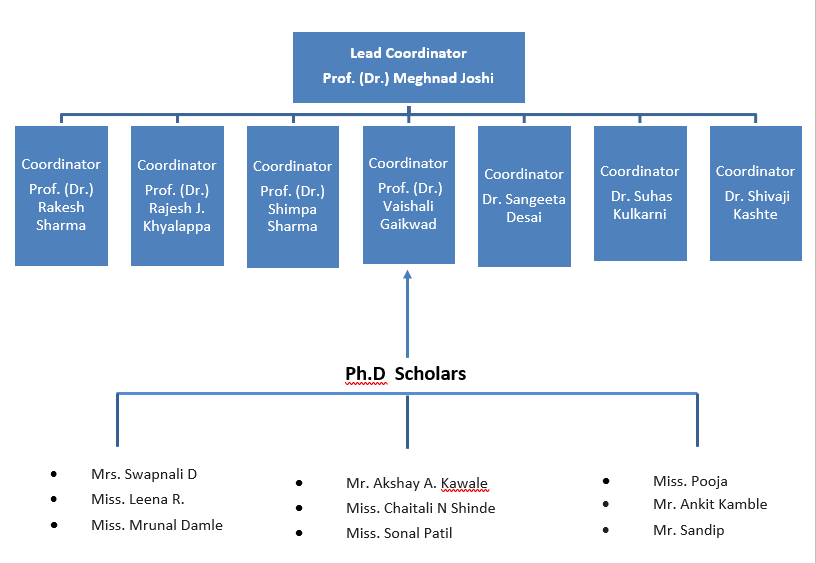
| 1. | Swapnali Jagdale | Dr. Meghnad Joshi (SCRM) | 3D Bone Tissue Engineering using Placental Scaffold | D.Y Patil Education Society, Kolhapur |
| 2. | Leena chaudhari | Dr. Meghnad Joshi (SCRM)/ Dr. Sangeeta Desai (OBG) | Tissue Engineering Approach for Functional Recovery Following Spinal Cord Injury in Rat Model | Lady Tata Memorial Trust, Mumbai |
| 3. | Mrunal Damle | Dr. Meghnad Joshi (SCRM) / Dr. Vaishali Gaikwad (Gen Surgery) | Feasibility of Nanopolymer and 3D Printed Skin in Healing chronic and acute lower limb wounds. | D.Y Patil Education Society, Kolhapur |
| 4. | Pooja Kolekar | Dr. Meghnad Joshi (SCRM) | Development Of Breast Reconstruction Implants Using Placenta, With Varying Combinations of Amniotic Membrane And Fibrin Glue | D.Y Patil Education Society, Kolhapur |
| 5. | Akshay Kawale | Dr. Meghnad Joshi (SCRM) | Generation Of Urinary Bladder Using Decellularized Goat Urinary Bladder, Human Chorion Membrane and Lagocephalus Inermis (Puffer Fish) Skin | D.Y Patil Education Society, Kolhapur |
| 6. | Chaitali Shinde | Dr. Meghnad Joshi (SCRM) / Dr. Milind killedar (Opthomology) | Generation Of Tissue Engineered Goat Corneal Graft and Development Of Cryopreservation Medium For Human Cornea. | D.Y Patil Education Society, Kolhapur |
| 7. | Sonal Patil | Dr. Meghnad Joshi (SCRM) | Development Of Tissue Engineered Human Small Intestinal Scaffold | D.Y Patil Education Society, Kolhapur |
| 8. | Ankit Kamble | Dr. Meghnad Joshi (SCRM)/ Dr. Vaishali Gaikwad (Gen Surgery) | Development of stem cell free products for wound healing applications | D.Y Patil Education Society, Kolhapur |
| 9. | Sandip Todkar | Prof. Shimpa Sharma (Medicine) / Dr. Meghnad Joshi (SCRM) | Expression Of Hepatocyte Transcription Factors in Chronic Liver Disease and Its Histopathological, Biochemical and Clinical Correlation. | D.Y Patil Education Society, Kolhapur |
3. Collaborative Trainings
| Year | Title | Collaborating Department | Number of Participants |
| 2019 | Workshop on Good Laboratory Practices | IQAC/SCRM/MBT | 38 |
| 2019 | Research Methodology Workshop-2019 | IQAC/RGC/ SCRM | 25 |
| 2019 | One Day Workshop on Intellectual Property Rights-2019 | Medical Physics/ SCRM/MBT/Medicine | 25 |
| 2019 | One Day Workshop on Research Grant Writing-2019 | Medical Physics SCRM /MBT | 25 |
| 2019 | Workshop on Good Laboratory Practices | SCRM /MBT/ Medicine | 32 |
| 2018 | Research Methodology Workshop-2018 | IQAC/RGC/ SCRM | 26 |
| 2018 | One Day Workshop on Intellectual Property Rights-2018 | Medical Physics/ SCRM/ Medicine | 26 |
| 2018 | One Day Workshop on Research Grant Writing-2018 | Medical Physics/SCRM/ Medicine | 26 |
| 2017 | Research Methodology Workshop-2017 | Medical Physics/IQAC/RGC/ SCRM/ Medicine | 37 |
| 2017 | One Day Workshop on Intellectual Property Rights-2017 | Medical Physics IQAC/RGC/ Medicine | 37 |
| 2017 | One Day Workshop on Research Grant Writing-2017 | Medical Physics/IQAC/RGC/ Medicine | 37 |
| 2022 | Research Methodology Workshop-2022 | CIR/IQAC/ Physiotherapy/Pharmacy | 40 |
| 2022 | Research Grant Writing Workshop -2022 | CIR/IQAC/ Medicine/ Physiotherapy/Pharmacy | 50 |
| 2022 | Workshop on Intellectual Property Rights (IPR)-2022 | CIR/IQAC/ Medicine/ Physiotherapy/Pharmacy | 50 |
| 2022 | Workshop on Good Laboratory Practices | CIR/IQAC/ Medicine/ Physiotherapy/Pharmacy | 73 |
| 2021 | Research Methodology Workshop-2021 | CIR/IQAC/ Medicine/ Physiotherapy | 75 |
| 2021 | One Day Workshop on Intellectual Property Rights-2021 | Medical Physics/IQAC/RGC/ SCRM/ Medicine | 50 |
| 2021 | One Day Workshop on Research Grant Writing-2021 | Medical Physics/IQAC/RGC/ SCRM/ Medicine | 54 |
| 2021 | Workshop on Good Laboratory Practices | Medical Physics/IQAC/RGC/ SCRM/ Medicine | 75 |
| 2021 | Two days International on line conference on Stem cells and Regenerative Medicine –Academic and Industrial out looks. | Medical Physics/IQAC/RGC/ SCRM/ Medicine | 175 |
| 2021 | Webinar on Drug development for neurological disorders | Medical Physics/IQAC/RGC/ SCRM/ Medicine | 48 |
| 2021 | Emerging Trends and Clinical Challenges in Cancer Treatment | Medical Physics/IQAC/RGC/ SCRM/ Medicine | 285 |
| 2020 | Stem cell and Regenerative medicine Future Prospects. | Medical Physics/IQAC/RGC/ SCRM/ Medicine | 60 |
| 2020 | An online webinar on Current Trends in Biological Sciences | SCRM/ MBT/ IQAC | 95 |
| 2020 | Workshop on Good Laboratory Practices | SCRM/MBT/ IQAC/Medicine | 52 |
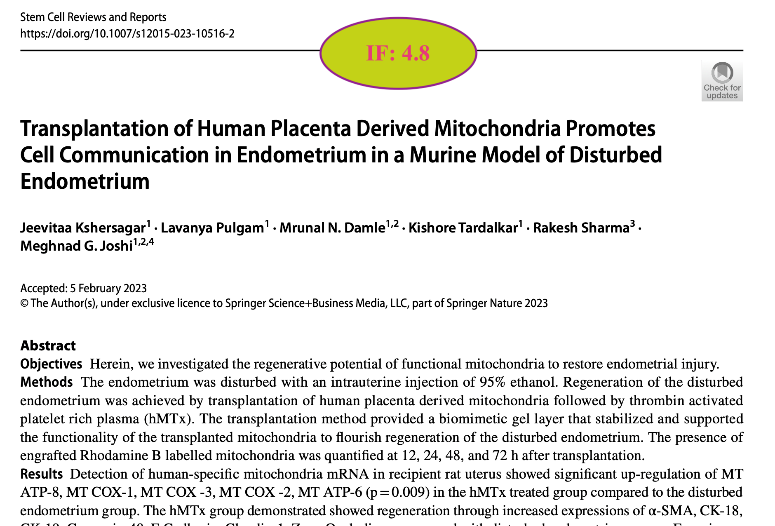
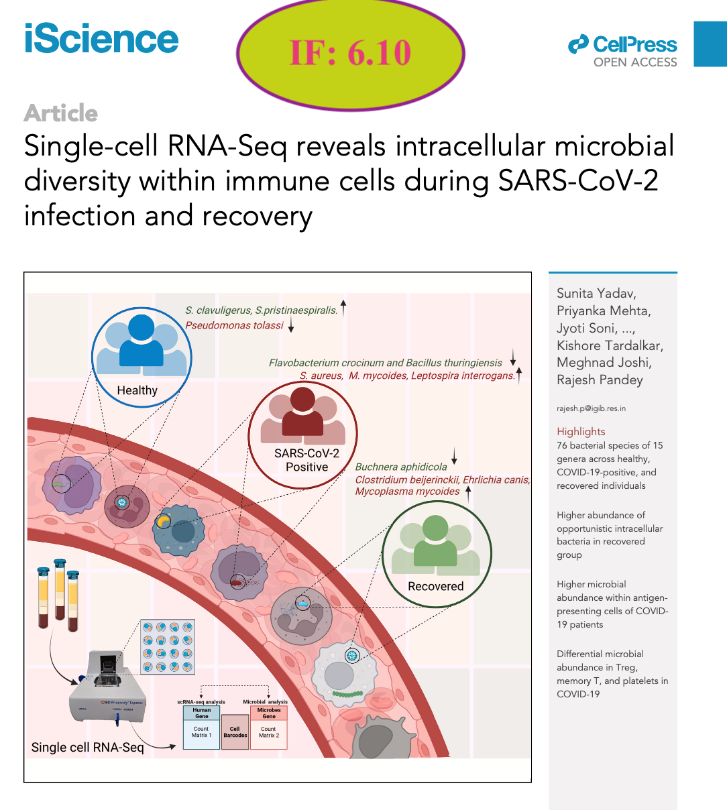
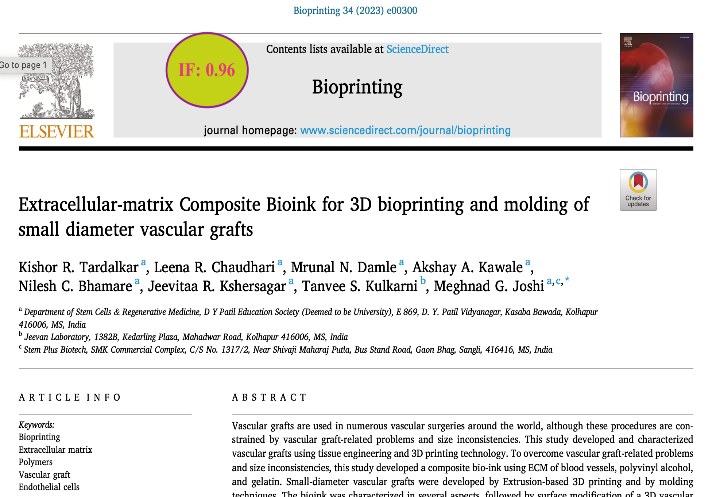
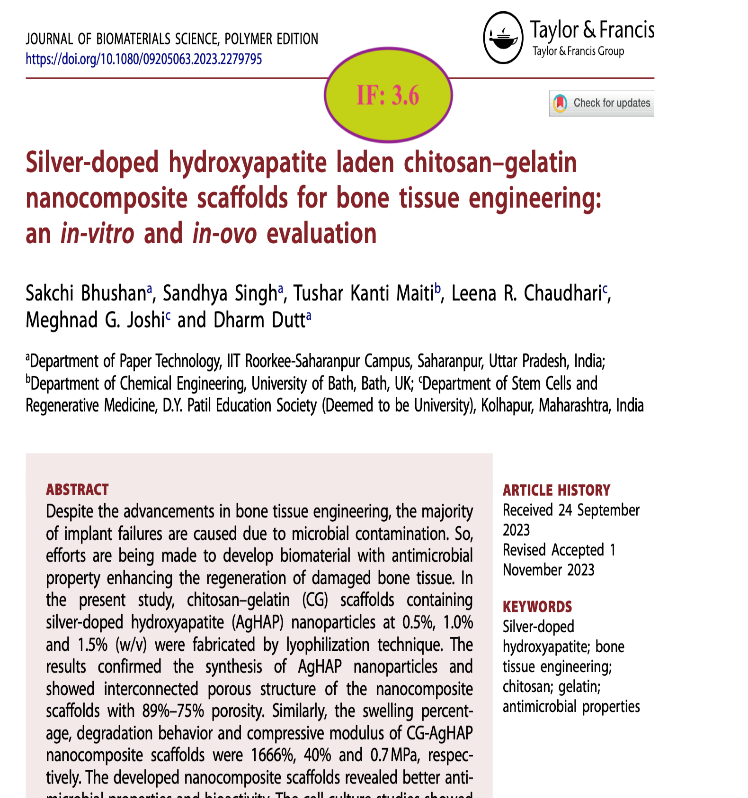
4. Publications output :
| Sr. | Research Area | Application | Total Publications | IF range |
| 1 | Biosensor | Medical diagnosis/ Innovative test/ Medical Instrument | 6 | 1-7 |
| 2 | Nanobiotechnology | Medical diagnosis/ Innovative test/ Medical Instrument/ Therapeutics | 80 | 1-10 |
| 3 | Tissue Engineering | Therapeutics | 29 | 1-7 |
| 4 | Fungal-biotechnology | Therapeutics | 10 | 2-7 |
| 5 | Psychiatry | Health care Education | 13 | 1-10 |
| 6 | Radiation application & safety | Health care Education | 5 | 0-2 |
| 7 | Surgery | Therapeutics | 1 | 3 |
| 8 | Medicine | Therapeutics | 5 | 2-9 |
| 9 | OBG | Therapeutics | 5 | 1-4 |
| 10 | Education Technology | Health care Education | 9 | 0 |
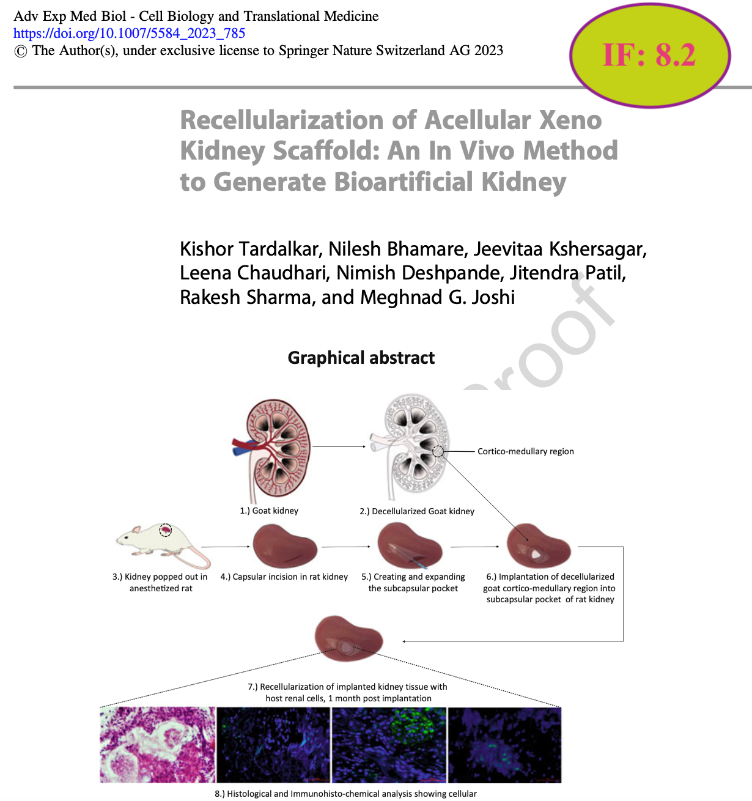
5. Joint Funded Projects: Total Internal projects: 20
| Sr No | Title | Collaborating Dept. | Funding agency | Year | Possible outcome | Funding |
| 1. | Identification of HPV DNA Strains in Patients of Cervical Lesions. (DYPES/DU/R&D/2021/278)” | OBG & SCRM | DYPES | 2021-24 | HPV 16, 18, are commonly responsible for cervical cancer but HPV 45 may be associated with cervical lesions. | 9.8 L |
| 2. | “Nanopolymer for wound healing application in diabetic foot ulcers” (DYPES/DU/R&D/2022/2346). | G. Surgery & SCRM | DYPES | 2022-25 | Wound healing potential of Nano polymer compared with conventional wound dressing. Cellular mechanism of Nano polymer during wound healing in diabetic foot ulcer. | 9.95 L |
| 3. | Generation of Urinary Bladder Using Decellularized Human Chorion Membrane And Lagocephalus Inermis (Puffer Fish) Skin Scaffolds For Potential Use In Bladder Reconstruction | SCRM | DYPES | 2022-25 | Tissue engineered bladder for bladder reconstruction for patients undergoing Cystectomy. | 9.8 L |
| 4. | Expression of Hepatocyte Transcription factors in Chronic Liver Disease and its Histopathlogical, Biochemical and Clinical Correlation” (No.DYPES/DU/R&D/2023/260). | Medicine and SCRM | DYPES | 2023-26 | The expression profile of hepatocyte transcription factors will determine the progression/ stages of alcoholic liver disease in the affected patients | 10 L |
| 5. | Role of placental mitochondrial function in the pathogenesis of intrauterine growth restriction. (DYPES/DU/R&D/2023/259) | OBG & SCRM | DYPES | 2023-26 | Mitochondrial biochemical and gene expression pattern in IUGR | 10 L |
| 6. | Elderberry extract in viral respiratory tract infections in school going Children: randomized control trials | Pediatric and SCRM | DYPES | 2023-26 | Molecular diagnostic techniques for diagnosis of viral infections have become more accurate and accessible. The study of pattern of respiratory viral infections in children, will result in effective treatment options to shorten the duration of illness and relieve symptoms. | 8.5 L |
6. Participation of Faculty (Slide 7)
Faculty of different disciplines are involved in the promotion, training and facilitation of interdisciplinary research. An overview is given below:
| Involvement | No of Departments/Faculty | Involvement | No. of Departments/Faculty |
| Upskilling | 5 / 28 | Project Investigators | 6 / 9 |
| Training of Colleagues | 6 / 16 | Guide/Co-Guides | MD/MS/PhD from 2017 |
| Training of Students | 6 / 480 | Publications | 163 |
7. Coordinating Team for Interdisciplinary Research
8. Research Infrastructure
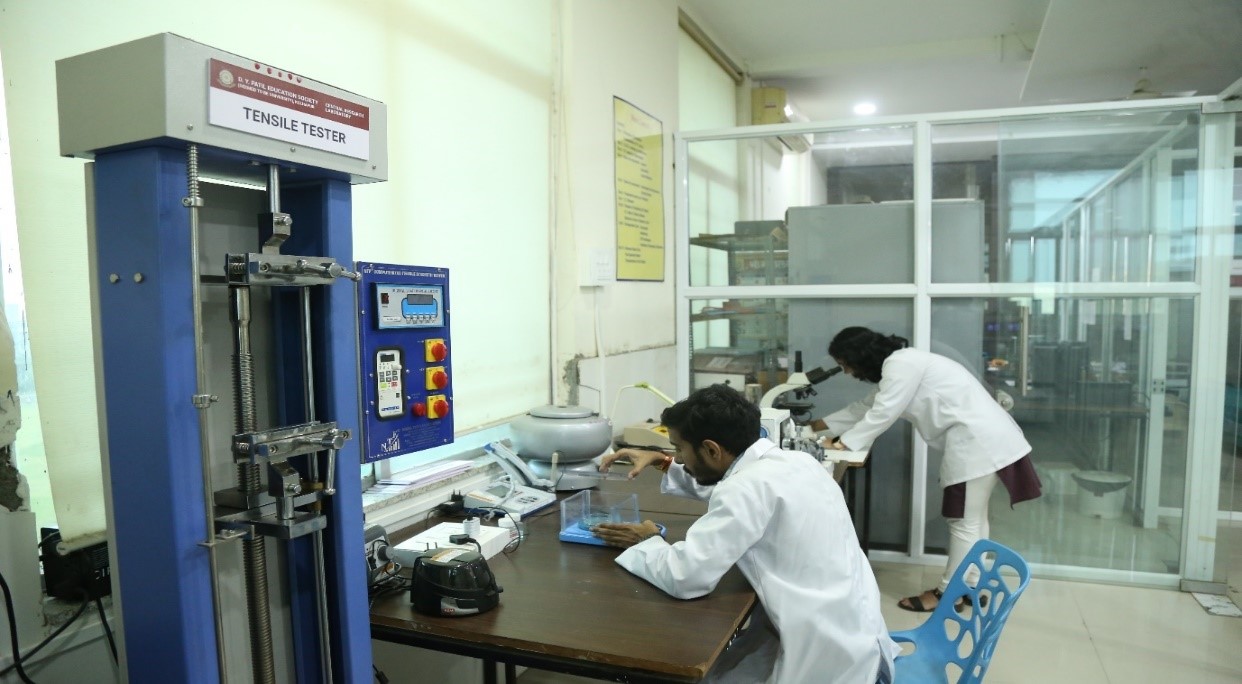
The infrastructure spread over 54750 sq-meter, available to execute innovative and translational research of interdisciplinary nature is an eclectic mix of equipment that serve the purpose. The presence of Molecular Lab, Stem cell culture Lab, Microscopy Lab, Histology Lab, Mechanical Testing Lab, Diabetic lab in the area of the Central Research Lab allow for ease of communication and working. The availability within the laboratory of specialized instrument that include Florescence Microscope, Western Blotting, UV Spectrophotometer, Tensile tester, RT-PCR, 3D Bioprinter, stem cell culture and cryopreservation facility, allows for a high standard of experimentation and testing of research materials and output.
The Laboratory is administered by the Director who is also the Lead Coordinator for interdisciplinary research. The Molecular Biology Lab is run jointly by the Departments of Microbiology and Pathology. However, this laboratory is accessed by Medical Biotechnology and Stem Cell and Regenerative Medicine faculty and research scholars too.
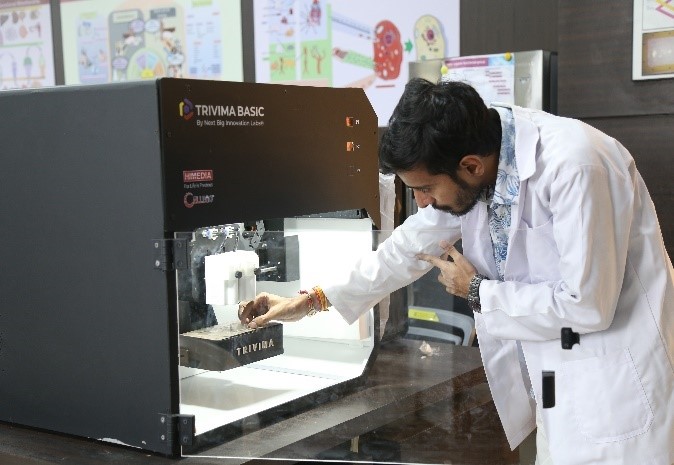
Central Research Lab
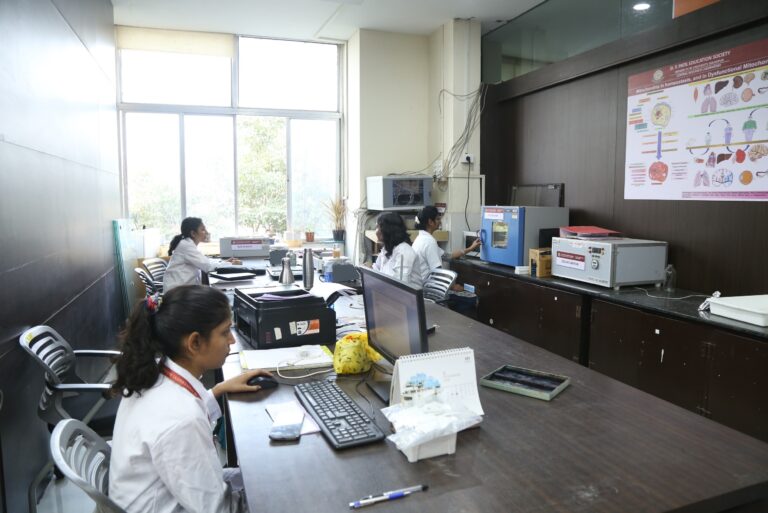
Central Research Lab
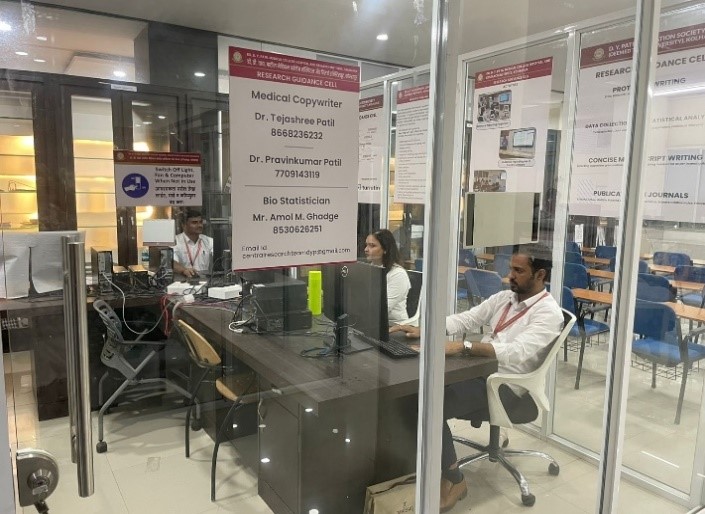
Research Guidance cell
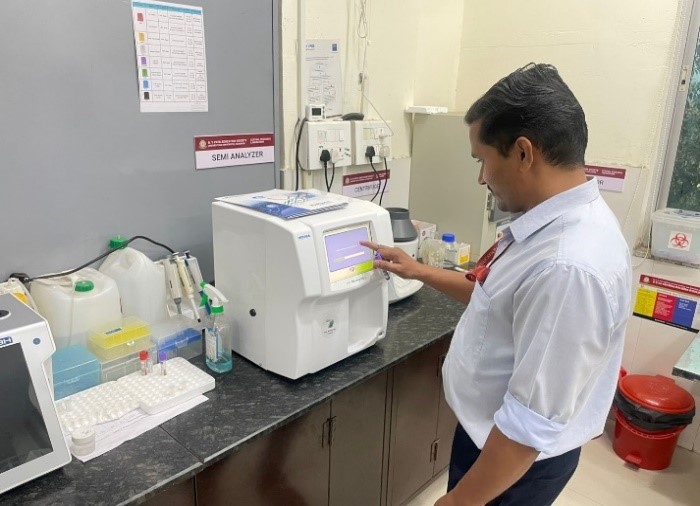
Clinical Laboratory
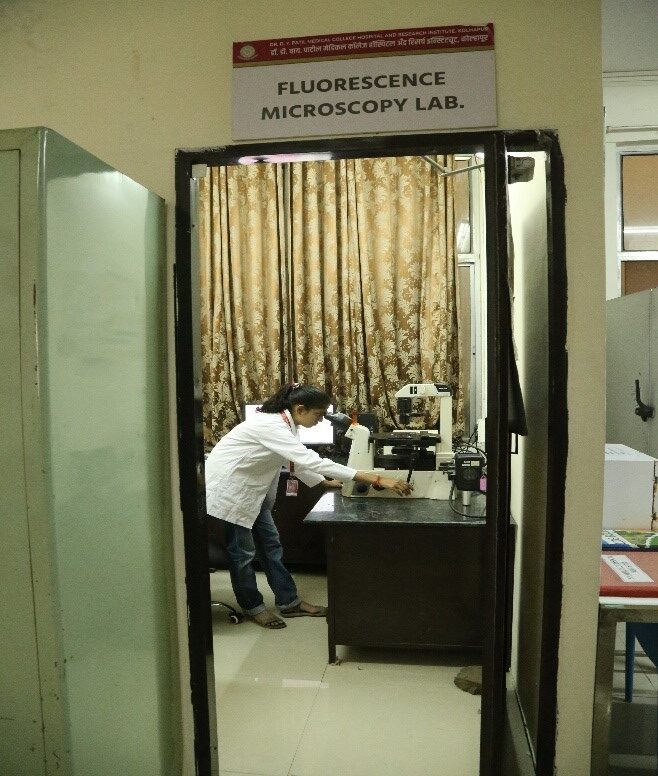
Florescence Microscopy Laboratory
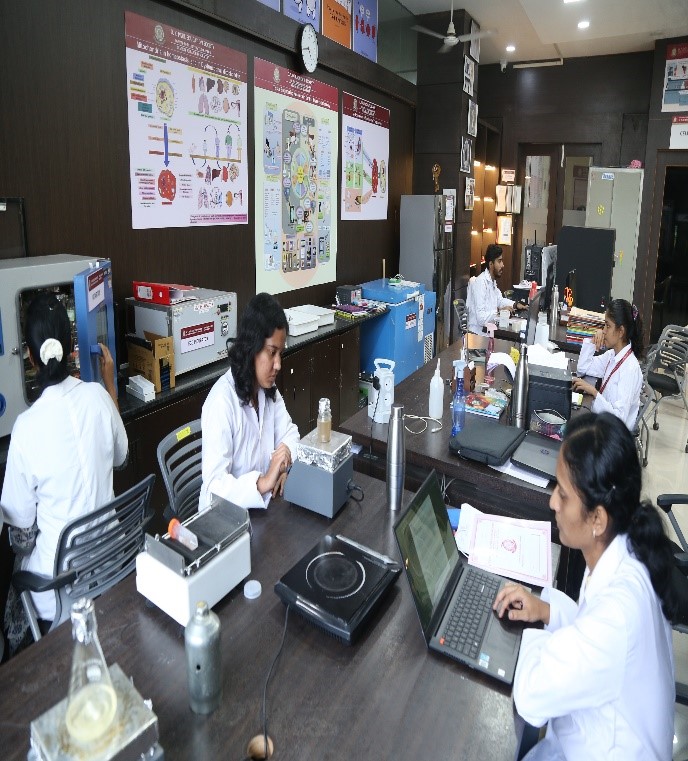
Tissue Engineering Laboratory
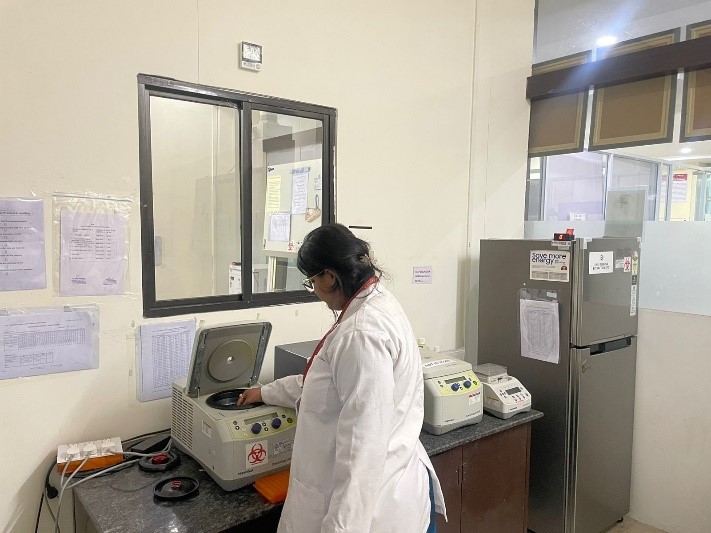
DNA/ RNA Processing Laboratory
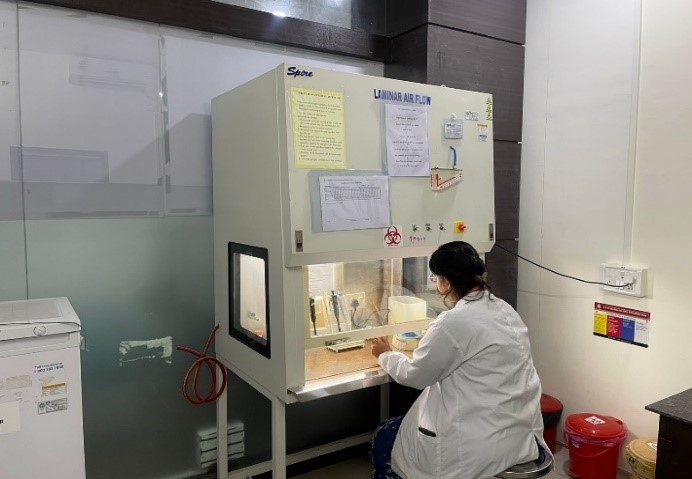
DNA/ RNA Processing Laboratory
9. Unexpected benefits :
A. Improved Patient-care:
Coordination and participation of faculty & staff in the Molecular Biology Lab paid huge dividends during the COVID-19 pandemic. The laboratory was able to work 24x7 as well as share workload and absorb overflow from the nearby Govt Hospital, due to work done by faculty who were used to working together for research projects.
Departments of Microbiology, Pathology were joined by Stem Cell & Regenerative Medicine and the Medical Biotechnology Departments for over 16 months of the pandemic.
Newer treatment modalities for wound dressings such as nanopolymer dressings and 3-D printed Skin for Diabetic wounds are provided to patients. Interim observations and have shown improved healing outcomes.
B.Financial benefits to patients
Cost of tests that are done for purpose of diagnosis or prognosis as part of research projects are done against the research funding granted. The benefit to patients in terms of information, treatment or rehabilitation is given, without any financial burden on them.
C. Soft benefits
More interaction between departments that were hitherto used to operating in their individual silo, is visible in the freer and more expansive discussions and communications. This has made for increasing number of interdepartmental and interdisciplinary projects and their outcomes. This has also provided students and faculty with input from different disciplines which has improved even independent research which may not be interdisciplinary.
5. Problems Encountered and Resources Required
| No. | Problem Encountered | Resources Required |
| 1 | Different levels of interest and commitment to research activities | Repeated interactions; Guest Lectures; Faculty training; Joint trainings; Inclusion in IRC |
| 2 | Knowledge and grasp of potential of respective disciplines | Repeated interactions; Guest Lectures; |
| 3 | Identifying platforms for collaborations to being | MD, MS dissertations; PhD thesis |
| 4 | Funding requirements of interdisciplinary projects | University intramural funding for projects |